A little support, together Practical ideas for grown-ups. Familiar activities for the table, the floor, or a quiet moment side by side.
Small, useful ways to help Six guides for choosing, helping, pausing, and understanding practice.
Bring practice to the table Three illustrated sets. Each includes a grown-up guide, large activity pages, and answers. Choose US Letter or A4, in color or with lighter printing. The numbers set has 10 pages; the other sets have 8 each.
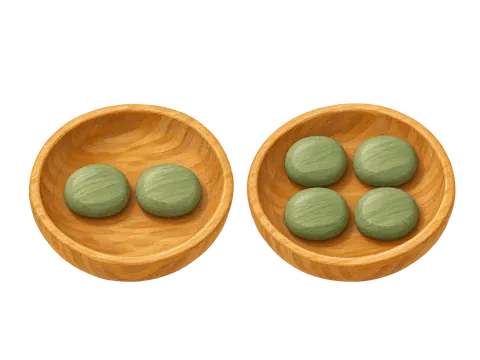
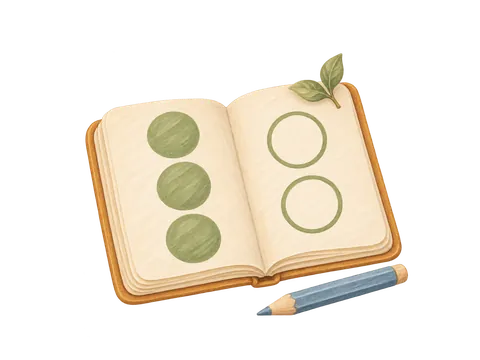
Numbers you can touch Count, compare, fill a frame, and find a place on a number line.
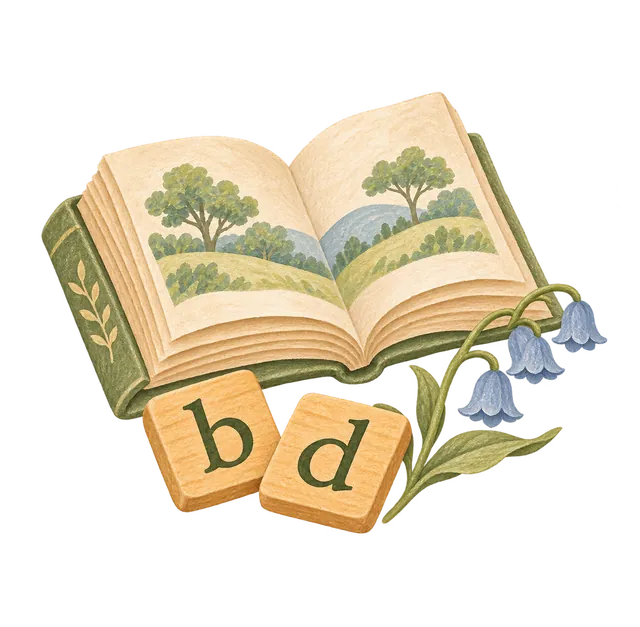
Explore the set Words you can build Match pictures and words, move letters, and put familiar words together.
Explore the set Hands, paths, and patterns Follow a sequence, trace a path, and copy a simple pattern at your own pace.
Explore the set Choose by the skills your learner is practicing, not by age or a label. These are optional practice materials, not assessments, a diagnosis, or a treatment. Use them alongside the support agreed with your learner’s teacher or qualified professional.
About each exercise A practical starting point for sharing each activity.
Focus Spot the Change What we practice Comparing two arrangements to find the shape that moved.
How to help Point to one shape in both pictures. Check whether it stayed in the same place.
Away from the screen Arrange three objects on paper. Draw their positions, then move one object and compare. Try Spot the Change · Hands, paths, and patterns
What Should I Bring? What we practice Following a picture request and checking the items brought to the table.
How to help Look at one picture together. Find that item, then look back at the list whenever you like.
Away from the screen Draw an apple and a spoon. Leave the drawing on the kitchen table while your child fetches each item and checks it off. Try What Should I Bring? · Hands, paths, and patterns
Switch What we practice Matching by color or shape while the sorting rule changes.
How to help Point to the rule symbol before choosing a tray. Show one match together.
Away from the screen Sort buttons by color, then sort the same buttons by shape. Try Switch · Hands, paths, and patterns
Follow the Path What we practice Following a visible sequence of shapes, one tap at a time. Connect the Dots What we practice Copying the connections in a visible dot pattern. Mirror Match What we practice Choosing the reflected half of a shape across a line. Reading Look-Alikes What we practice Comparing a printed letter or word with a visible model.
How to help Look at one letter at a time. Point to where the choices differ.
Away from the screen Place a model letter above a few letter cards and find its match. Try Look-Alikes · Words you can build
Letter Finder What we practice Finding every instance of one target letter in a sentence.
How to help Keep the target in view and move through one word at a time.
Away from the screen Circle one chosen letter in a short printed sentence. Try Letter Finder · Words you can build
Word Parts What we practice Putting visible word parts in order to match a pictured and spoken word.
How to help Name the picture together. Say the whole word before placing its parts.
Away from the screen Move paper word parts together, then read the completed word. Try Word Parts · Words you can build
Sentence Marks What we practice Choosing punctuation for a sentence and its meaning.
How to help Read the sentence with its intended expression. Notice whether it tells, asks, or exclaims.
Away from the screen Read a short sentence together and choose a punctuation card for its ending. Try Sentence Marks · Words you can build
Missing Letter What we practice Choosing a missing letter in a familiar word.
How to help Listen to the word, then attend to the printed letters around the empty place.
Away from the screen Cover one letter in a familiar word and choose a paper letter to replace it. Try Missing Letter · Words you can build
Build a Word What we practice Ordering letter or letter-team tiles to build a model word.
How to help Point to the next part of the model. Read the completed word together.
Away from the screen Move letter tiles into three spaces to build cat, can, or cap. Try Build a Word · Words you can build
Build a Sentence What we practice Ordering word tiles into a sentence.
How to help Read the words aloud. Notice the capital letter and ending punctuation.
Away from the screen Point to word cards in the order of a short model sentence. Try Build a Sentence · Words you can build
Picture Pairs What we practice Matching picture cards with their written words.
How to help Name a picture before looking for its word. Read unfamiliar words together.
Away from the screen Place picture and word cards face up and find their partners. Try Picture Pairs · Words you can build
Spelling Choices What we practice Choosing letters or letter teams to complete a word’s spelling.
How to help Hear the word first. Use Show me when the spelling pattern has not been introduced.
Away from the screen Build a familiar word with letter tiles and discuss the letter team together. Try Spelling Choices · Words you can build
Sound Lab What we practice Ordering word parts, counting sounds, and distinguishing vowel and consonant sounds.
How to help Model the sounds briefly. A letter team can represent one sound.
Away from the screen Say a familiar word slowly and move one counter for each sound. Try Sound Lab · Words you can build
Math Number Line What we practice Placing a number at its location on a number line.
How to help Start at zero. Move one interval at a time and notice the labels.
Away from the screen Find a number on a paper number line and place a counter there. Try Number Line · Numbers you can touch
Number Match What we practice Connecting the number of objects with a written numeral.
How to help Touch one stone for each number word. Say the total after counting.
Away from the screen Count a small group of objects and choose its numeral card. Try Number Match · Numbers you can touch
Compare Groups What we practice Comparing two groups to find more or the same amount. Make a Number What we practice Finding how many objects are needed to complete a target amount.
How to help Count the filled places, then the empty places. Show both parts together.
Away from the screen Fill the empty places on a five-frame or ten-frame with counters. Try Make a Number · Numbers you can touch
Both Hands Two Stones What we practice Moving two stones and combining a hold with a sequence of taps.
How to help Try each action separately first. Choose tap controls when that is more comfortable.
Away from the screen Use two paper pads for comfortable, alternating taps. Stop whenever needed. Try Two Stones · Hands, paths, and patterns
Hand by Hand What we practice Following a visible order of left and right taps.
How to help Point to the filled side of the next card. Keep the model visible.
Away from the screen Follow the filled circle and square cards on the paper tapping page. Try Hand by Hand · Hands, paths, and patterns
Trace Together What we practice Following two paths with movable stones, together or one at a time.